Introduction
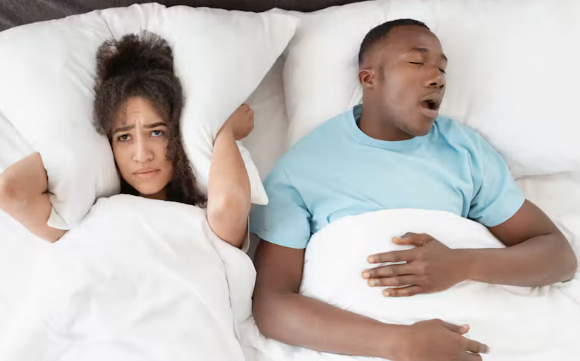
Snoring can turn a normal night into a cycle of interrupted sleep, dry mouth, and morning fatigue. It can also disturb a partner’s rest, creating frustration for both people even when neither person fully wakes up. The right response depends on what is causing the snoring and whether it is linked to another sleep-related condition.
For people exploring practical ways to reduce nighttime noise, a chin strap for snoring may be one option to consider alongside better sleep habits and professional advice.
Why Snoring Happens
Snoring occurs when air moves through a narrowed upper airway and causes surrounding soft tissue to vibrate. Nasal congestion, sleeping on the back, alcohol before bedtime, excess tissue around the airway, and changes in muscle tone during sleep can all contribute. The same remedy will not work equally well for every person.
Occasional snoring after a cold is usually different from loud, persistent snoring that occurs most nights. Keeping a simple record of when snoring happens, how loud it seems, and whether there are pauses or gasping sounds can help identify patterns.
Start With Sleep-Position and Routine Changes
Small adjustments are often a sensible first step. Side sleeping may help some people keep the airway more open than back sleeping. Raising the head slightly, treating nasal congestion appropriately, and maintaining a consistent bedtime can also improve comfort.
- Try side sleeping with a supportive pillow or positional aid.
- Avoid alcohol close to bedtime, since it can relax upper-airway muscles.
- Keep the bedroom comfortable and address persistent nasal congestion with appropriate medical guidance.
Mouthpieces, Chin Straps, and Other Options
Anti-snoring products work in different ways. Some oral appliances reposition the lower jaw or tongue to create more space in the airway. A chin strap is generally designed to help support the jaw and encourage nasal breathing, so it may be more suitable for certain patterns of open-mouth snoring than for every cause of airway obstruction.
Anyone comparing products should review the design, fit, cleaning requirements, and intended use of snorple.com before choosing an option. Comfort matters because a device that cannot be worn consistently is unlikely to improve sleep over time.
When a CPAP Alternative May Not Be Enough
A mouthpiece or other non-CPAP approach may be worth discussing when snoring is the main concern, but loud snoring can sometimes accompany obstructive sleep apnea. Warning signs include witnessed breathing pauses, choking or gasping during sleep, morning headaches, excessive daytime sleepiness, and difficulty concentrating.
These symptoms deserve medical attention rather than trial-and-error product use. A clinician may recommend a sleep evaluation to determine whether breathing repeatedly stops or becomes restricted during the night. If sleep apnea is diagnosed, treatment should be guided by a qualified professional.
Protecting Couples’ Sleep
Snoring affects more than the person making the sound. Partners may experience repeated awakenings, shortened sleep, and daytime irritability. While the long-term goal should be to address the underlying cause, temporary measures such as separate sleep schedules, background noise, or comfortable earplugs may help protect rest while the issue is being evaluated.
A calm conversation is usually more productive than treating snoring as a personal failing. Track the problem together, agree on practical steps, and seek professional guidance when symptoms are persistent or concerning.
Conclusion
Improving sleep quality starts with understanding the pattern behind the snoring. Position changes, healthier bedtime habits, suitable anti-snoring products, and professional assessment can each play a role. If snoring is loud, frequent, or accompanied by breathing pauses and daytime fatigue, do not rely on a product alone—arrange an appropriate evaluation.