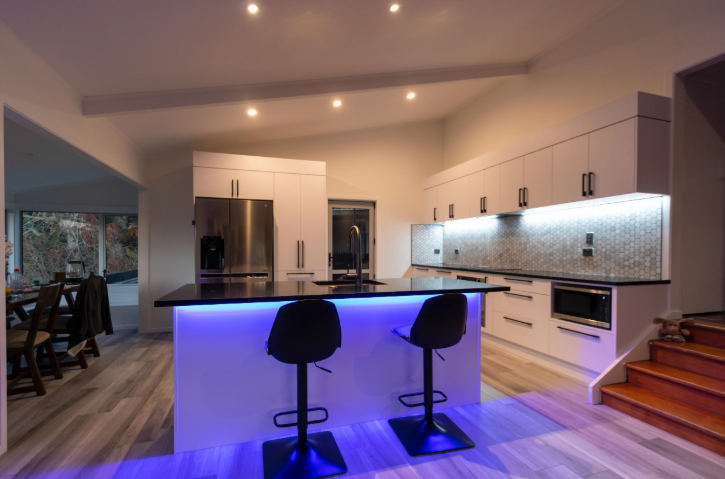
Upgrading to LED lighting offers numerous benefits for homeowners seeking efficiency and style. LED bulbs consume less energy and boast a longer lifespan, resulting in lower electricity costs and reduced maintenance. With various fixture options available, LEDs can seamlessly integrate into any home design. However, selecting the right type and brightness for specific spaces can be challenging. Understanding these factors is crucial for maximizing the advantages of LED technology in a home environment.
Benefits of LED Lighting
The transition to LED lighting presents numerous advantages that enhance both efficiency and sustainability.
Primarily, LED technology offers exceptional energy efficiency, significantly reducing electricity consumption compared to traditional bulbs.
Additionally, LEDs boast a long lifespan, often lasting up to 25,000 hours, which minimizes replacement frequency and waste.
These attributes not only lower costs but also empower individuals to make environmentally conscious choices in their lighting solutions.
See also: instavipbiography
Types of LED Light Fixtures
LED lighting solutions encompass a diverse range of fixtures designed to meet various needs and preferences.
Among these, recessed lights offer a sleek, unobtrusive option ideal for modern aesthetics, while pendant fixtures provide both illumination and style, enhancing the ambience of any space.
Homeowners can select from myriad designs to achieve the perfect blend of function and freedom in their lighting choices.
How to Choose the Right LED Lights
When selecting the right lighting solution, how can one ensure that the chosen LED lights meet both functional and aesthetic requirements?
It is essential to consider brightness levels to create the desired ambiance and to select appropriate color temperatures that enhance the overall décor.
Tips for a Smooth LED Transition
Ensuring a seamless transition to LED lighting involves careful planning and consideration of various factors.
Homeowners should assess the installation process, ensuring compatibility with existing fixtures and wiring.
Prioritizing energy savings can significantly reduce utility bills.
Additionally, selecting the right color temperature and brightness will enhance ambiance.
Conclusion
In conclusion, upgrading to LED lighting is not just a wise investment but also a step towards a more sustainable and aesthetically pleasing home. With a variety of fixtures and customizable options, homeowners can easily illuminate their spaces while reaping the financial benefits of energy efficiency. As the saying goes, “a penny saved is a penny earned,” and by making the switch to LED, homeowners are sure to enjoy both immediate savings and long-term rewards.